
What Should Parents Know About the Amazon Baby-Walker Recall?
Yes. About 3,600 Kids & Koalas baby walkers sold on Amazon were recalled in March 2020 for fall and entrapment hazards. Check model X002 against the official notice and stop using an affected walker. If a child was injured, preserve the walker and records before repairs or disposal; otherwise follow the recall’s disposal and refund instructions.
Why should parents check their baby walker?
If your little one toddles around in a baby walker bought on Amazon.com, check the product label right now. Thousands of walkers sold there were recalled because they posed fall and entrapment hazards. Defective infant walkers and other unsafe children’s products can cause severe injuries and wrongful death. Our baby walker injury lawyers have a record of representing families hurt by recalled toys and products, and have earned recognition for aggressively pursuing justice for injured children. Teething products have been recalled too, so see our coverage of infant teether recalls.
Have Baby Walkers Been Recalled?
Yes. Baby walkers have been recalled more than once, and the recall covered on this page involved about 3,600 Kids & Koalas baby walkers sold exclusively on Amazon.com. The U.S. Consumer Product Safety Commission (CPSC) announced it on March 19, 2020. The walkers came from a China based seller, Utomen, and were sold online from September 2017 through July 2018 for between $89 and $123.
Because so many walkers are sold through online marketplaces by third party sellers, a recall is easy to miss. If your family bought a walker online, search the CPSC recall database by brand and model number, even if it is not the brand covered here.
Which Baby Walkers Were Recalled on Amazon?
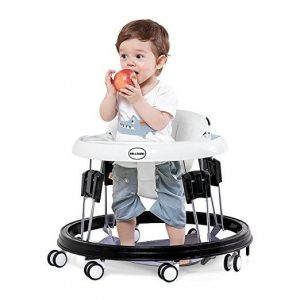
The recalled walkers are foldable, have eight wheels and an adjustable height seat, and were sold in grey, black, green, pink, blue and white. The Kids & Koalas logo is printed on the front of the tray and the back of the seat, and model number X002 appears on a hangtag underneath the product and on the packaging. The CPSC urged parents to stop using the walkers immediately, dismantle them and throw them away. Amazon said it would contact customers directly about refunds, and you can read the full recall notice on CPSC.gov.
Why Were the Amazon Baby Walkers Recalled?
According to the CPSC, the walkers fail to meet the federal safety standard in three ways. They can fit through a standard doorway, they are not designed to stop at the edge of a step, and their leg openings let a child slip down until the head becomes trapped at the neck. The first two defects raise the chance of a fall down stairs, the most common way walker injuries happen. The third creates an entrapment and strangulation risk that can turn fatal in moments. The notice reported no injuries, which is exactly the point of a recall: to stop harm before it happens.
Are Baby Walkers Safe?
Even walkers that meet the rules carry risk. Safety standards for infant walkers started as voluntary guidelines in 1997 and became mandatory in 2010, and injuries fell afterward. But the American Academy of Pediatrics still calls for a ban on the manufacture and sale of walkers, and Canada has banned them since 2004. A study in the journal Pediatrics found that more than 230,000 children under 15 months were treated in U.S. emergency departments for walker injuries between 1990 and 2014, including more than 6,500 skull fractures. Injuries dropped from about 20,650 in 1990 to about 2,000 in 2014, and fell roughly 23 percent in the four years after the mandatory standard took effect compared with the four years before it. A decline is not the same as safe.
What Are the Most Common Baby Walker Injuries?
Nearly three quarters of the injuries in that study followed a fall down stairs, and about 91 percent involved the head or neck, which is why broken bones, skull fractures and serious head injuries lead the list. Walkers also give a baby sudden speed and reach. A child can pull a tablecloth and spill hot coffee, grab a pot handle from the stove, or touch a radiator or space heater, which is why walkers are tied to hot liquid and food burns. They can roll into a pool or bathtub, a risk covered on our drowning accidents page, and they put cleaning products and other poisons within reach.
Most walker accidents happen while an adult is watching, because a baby moves faster than a caregiver can react. The AAP recommends getting rid of walkers and making sure none are present anywhere your child is cared for, including daycare and relatives’ homes. A serious fall can also cause a lasting child brain injury.
Are Baby Walkers Bad for Development?
Many parents believe a walker helps a baby learn to walk, but it does not. Research indicates that walkers do not promote walking skills and may even delay them. Babies learn to crawl, cruise and walk when they are ready. Short periods of supervised tummy time build the head control and strength they need, and a baby should always be put to sleep on the back.
How Can You Help Your Baby Learn to Walk Safely?
Childproofing matters more than any gear. Move coffee tables and furniture with sharp edges out of the way, anchor televisions and other items that could tip over, and hide electrical cords. Use cordless window blinds, put a screen in front of the fireplace, cover outlets, and place baby gates at the top and bottom of stairs. Our guides on furniture and TV tip over accidents and window cord choking explain two hazards parents often overlook.
What if You Bought the Recalled Walker Secondhand?
Identify the walker from its label, model number and photographs rather than the seller’s description. Stop use if it matches the recall and follow the official notice; contact the listed recall company about any unclear remedy instructions. Keep the seller’s messages and available purchase information. If an injury occurred, preserve the product before disposal, even when the original receipt or Amazon account is unavailable.
What Should You Do if a Baby Walker Injured Your Child?
Get medical care first. If your child was hurt, do not throw the walker away, even though the CPSC tells uninjured families to dismantle and discard recalled walkers. The walker, its packaging, the hangtag, your order confirmation and any photos are key evidence. Report the injury to the CPSC at SaferProducts.gov and write down where and when you bought the product.
Our page on recalled baby products explains more about recalled items. As a nationally recognized child injury lawyer, Jeff Killino has extensive experience with dangerous baby products and recalled toys. Past results do not guarantee a similar outcome. If your son or daughter was hurt by a recalled walker or another defective product, contact us for a free consultation.