

Shoulder Dystocia Attorney
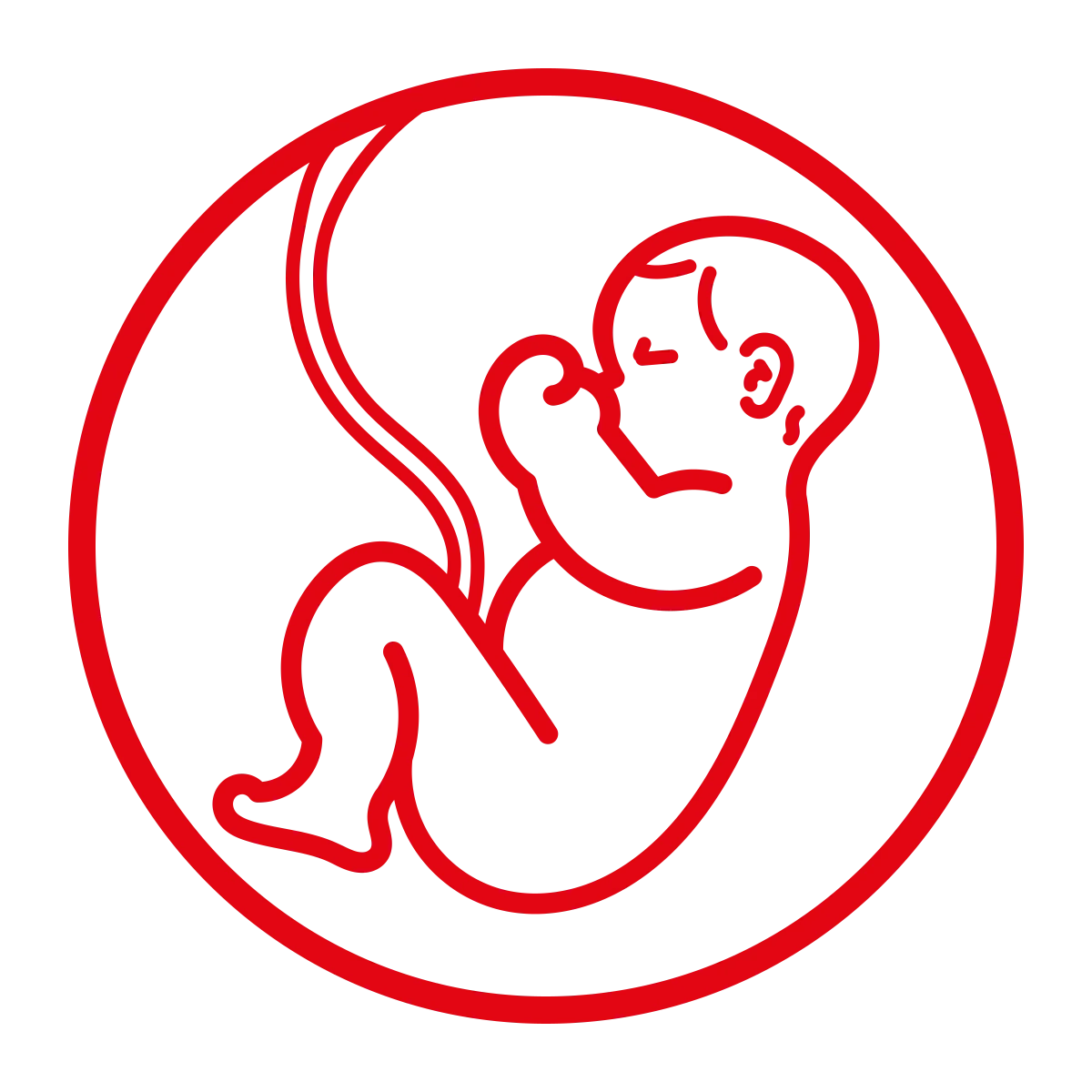
Shoulder dystocia is a child-birth injury that occurs in as many as 30,000 deliveries in the United States each year. Shoulder dystocia may occur during childbirth when an infant’s head is able to clear but the infant’s shoulders require additional medical maneuvers to be properly delivered. In a typical shoulder dystocia case, one of the baby’s shoulders becomes trapped behind the mother’s pelvis during delivery. When medical personnel negligently handle this emergency situation and a mother and/or her child sustain injuries as a result, both the mother and child may be entitled to compensation from those responsible for their injuries.
If your child has suffered shoulder-dystocia injuries as a result of someone’s negligence, you may be entitled to compensation from the individuals and entities responsible. Contact shoulder-dystocia-injury attorney Jeffrey Killino at 877-875-2927 for a free evaluation of your case.
Causes of Shoulder-Dystocia Injuries
- Entrapped shoulders
- Improper rotation of baby’s shoulders during birth
- Applying unnecessary lateral traction
- Shoulders folded inward during birth
- Administering Epidural
- Improper use of forceps during birth
- Incorrect use of vacuum extractor
Experience, Knowledge, Results
Our birth-injury medical-malpractice lawyers will handle your claim and guide you through the process. Many medical-malpractice lawsuits stem from claims for birth injuries involving shoulder dystocia. Experienced birth-injury attorney Jeffrey Killino is committed to defending the victims of medical negligence who are burdened with the emotional and financial hardships associated with birth-trauma injuries. As an advocate for children and parents, he examines every factor involved in birth-trauma injuries such as shoulder dystocia and fights to obtain the compensation to which his clients are entitled.
Legal Liability for Shoulder-dystocia Injuries

The negligence of obstetricians, nurses, and other medical personnel may constitute a cause of the occurrence of a shoulder-dystocia complication or a cause of injuries sustained by a mother and/or baby when the complication is improperly dealt with. The injuries sustained by a baby as a result of shoulder dystocia can be severe and permanent, including brain damage, serious nerve damage, bone fractures, and lacerations.
Obstetricians and the medical personnel who assist them are trained to recognize and competently handle shoulder-dystocia complications. Their failure to do so constitutes medical malpractice and subjects them to liability for any injuries sustained by a child and the child’s mother as a result. According to the American Academy of Pediatrics (AAP), this child-birth emergency can be effectively managed through the employment of specific maneuvers that can safely dislodge an infant’s shoulder or shoulders from behind a mother’s pelvic bone.
Negligence during Mother’s Pregnancy
A fetus’s weight may constitute a risk factor for shoulder dystocia during childbirth. If an obstetrician fails to take reasonable care to monitor the weight of the fetus or a condition of the mother that may result in a high-weight fetus, the obstetrician’s negligence may be found to have been a cause of a shoulder-dystocia complication that occurs during the baby’s delivery.
Medical malpractice may also be found to have occurred when an obstetrician fails to consider other risks for shoulder-dystocia complications, such as a mother’s history of prior shoulder-dystocia complications during delivery, maternal diabetes, maternal obesity, or a pregnancy that has gone beyond full term. Maternal diabetes, maternal obesity, and a pregnancy beyond full term may all contribute to a high-weight baby, which is a major risk factor for shoulder-dystocia complications.
Negligence during Delivery
The failure to take proper precautions during delivery when a risk of shoulder dystocia has become apparent during pregnancy, such as timely ordering a C-section rather than a vaginal delivery, may also be found to be a cause of the occurrence of a shoulder-dystocia complication and the resulting injuries to mother and child.
Even when a fetus is not of high weight, or when other risks of shoulder dystocia have not become apparent during the mother’s pregnancy, shoulder dystocia may nevertheless occur, requiring quick and competent action on the part of medical personnel. If, for instance, an obstetrician or other medical professional recognizes that the position of a baby is not suitable for safe delivery, the baby will need to be carefully repositioned in such a way as to avoid the catching of the baby’s shoulders on the mother’s pelvis. Failure to do so may constitute actionable negligence and liability for any resulting injuries.
In some cases, serious injuries have been sustained by a baby whose head and neck were pulled too hard in an attempt by medical personnel to dislodge the baby’s shoulders from behind the mother’s pelvis. Such rough pulling may be found to constitute medical malpractice on the part of any medical personnel who engages in it.
Contact Birth-Trauma Attorney Jeffrey Killino
If you suspect that your child has suffered a shoulder-dystocia injury as a result of medical malpractice, contact child birth-trauma attorney Jeffrey Killino at 877-875-2927 to learn if you may be entitled to compensation for your child’s injuries. As an experienced birth-injury attorney, Jeffrey Killino will assess the existence and cause of your child’s injuries and inform you of your legal options.