


Home » Child Injury Lawyer » When Can Teacher Negligence Cause a Student Injury?
Yes. Under the laws of all states, teachers owe a duty of reasonable care to the students under their charge to keep them safe from harm while they are at school. A teacher and, in many cases, the school that employs the teacher, may be found liable for injuries a student suffers at school if the teacher’s negligence was a cause of the child’s injuries. To recover damages, it must be shown that it is more likely than not that the teacher’s negligence was a cause of the injury. If your child was hurt, get medical care, ask the school for the incident report and speak with a teacher negligence lawyer.
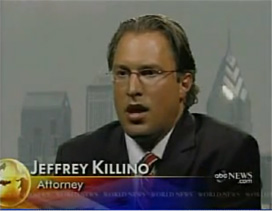
When parents drop off their children at school or send them off in the morning to catch a school bus, they place a great deal of trust in the school system and reasonably expect their children to be in safe, capable hands throughout the day. Most parents take the careful supervision of teachers and other school personnel for granted, so a great deal of emotional distress is suffered by a parent who learns that his or her child has been injured while at school. If your child has suffered an injury as a result of a teacher’s negligence or the negligence of other school personnel, you may be entitled to compensation from those responsible for your child’s injury. Contact teacher negligence lawyer Jeffrey Killino to learn more about your legal options.
A teacher and, in many cases, the school that employs the teacher, may be found liable for injuries sustained by a student while at school if the teacher’s negligence is found to have been a cause of the child’s injuries.
A teacher’s liability for injuries sustained by a child while at school depends upon the existence and proof of a duty of care owed by the teacher to the student. Under the laws of all states, teachers owe a duty of reasonable care to students under their charge to keep those students safe from harm while they are at school.
Under usual circumstances, this duty begins at the start of the school day and ends when children leave the school premises to return home. If a child has been asked or ordered to remain in the school building or on school grounds after regular school hours, however, the duty of care continues on the part of the teacher or other supervisor who asked the child to stay, as long as the child remains on school property. In some cases, this duty may even continue after a child has left school grounds. If, for example, a teacher has asked a student to remain after school until late in the evening or after dark and the teacher knows or reasonably should have known that the child will be unsupervised while on his or her way home, the teacher may be found to have breached the duty of care owed to the child by creating a situation that resulted in the child’s returning home without adequate protection for the child’s safety.
A teacher’s duty of care may be breached in many ways. If a teacher fails to properly supervise the children under her charge and a child is injured as a result of the intentional or negligent act of another student, or even an outsider whose presence in the school should not have been allowed, the teacher may be found to have breached his or her duty of care toward the injured child and may be held liable for the damages suffered by the child as a result. When teachers arrange classroom activities that pose a threat of injury to students unless an appropriate level of care is taken and proper instructions are provided, the teacher may be found to have breached the duty of care owed to a student who is injured as a result of such inadequate care and proper instruction.
Children get hurt at school in many ways, and most are minor. The situations that most often raise supervision questions include roughhousing or fights that no adult stopped, science lab and art room accidents involving chemicals, heat or sharp tools, falls in hallways or classrooms, injuries on field trips, accidents at recess and during dismissal, and reactions to allergens that were not managed. They also include bullying that was reported but not addressed and injuries to students with special needs who were left without the support their plan required. Our pages on failure to supervise, playground injuries, gym class injuries and school bus accidents cover specific settings.
A teacher’s breach of the duty of care, alone, will not suffice to establish liability on the part of the teacher. In order to recover damages in a negligence action against a teacher for injuries sustained by a child while at school, the plaintiff must prove that it is more likely than not that the teacher’s breach of duty (negligence) was a cause of the child’s injury and that the child’s injury would not have occurred in the absence of the teacher’s negligence. Proof of causation may be quite complex when more than one action, omission or event constituted a cause of a plaintiff’s injuries.
Get medical care first, and tell the doctor how and where the injury happened. Ask the school for a copy of the incident report and the names of the teachers and aides who were present, and write down what your child says while it is fresh. Take photos of the injury and, if you can, the place where it happened. Keep medical bills, doctor’s notes and records of missed school or work. Tell the school about any ongoing symptoms, especially after a head injury. Our page on child brain injury explains why head injuries need follow up. If your child shows signs of being hurt on purpose, report concerns to child protective services and school leaders, and see our pages on child abuse and school sexual abuse.
Stay calm and factual. Ask what happened, who was supervising and what changes the school will make. Request answers in writing, and keep emails and notes of conversations. You do not have to sign anything or give a statement to the school’s insurer right away. Speaking with a lawyer first can help you understand your options. For related school claims, see our pages on school negligence and school injury lawyers.
The terms can describe different concerns. This page addresses student injuries linked to alleged failures in supervision, safety or protection. A complaint about teaching quality, grades or academic progress raises different issues and should not be treated as the same bodily-injury claim.
The applicable law, the duty involved and the evidence determine whether a legal claim is recognized. An investigation should identify the particular conduct and harm rather than rely on the word malpractice alone.
If your child has been injured at school as a result of a teacher’s negligent supervision, contact teacher negligence injury lawyer Jeffrey Killino for dedicated and knowledgeable legal assistance with your case.

NATIONALLY RECOGNIZED
Search
NO COST
NO OBLIGATION
CONFIDENTIAL CONSULTATIONS
100% Secure & Confidential
Text With Us
We'll text you!
"*" indicates required fields
By submitting, you agree to be contacted about your request & other information using automated technology. Message frequency varies. Msg & data rates may apply. Text STOP to cancel. Privacy Policy
Call Me
We'll call you!
"*" indicates required fields
By submitting, you agree to be contacted about your request & other information using automated technology. Message frequency varies. Msg & data rates may apply. Text STOP to cancel. Privacy Policy
Book A Consultation
We're ready to answer your questions!
Email Us
We're available by email!
"*" indicates required fields
By submitting, you agree to be contacted about your request & other information using automated technology. Message frequency varies. Msg & data rates may apply. Text STOP to cancel. Privacy Policy
Text With Us
We'll text you!
"*" indicates required fields
By submitting, you agree to be contacted about your request & other information using automated technology. Message frequency varies. Msg & data rates may apply. Text STOP to cancel. Privacy Policy
Call Me
We'll call you!
"*" indicates required fields
By submitting, you agree to be contacted about your request & other information using automated technology. Message frequency varies. Msg & data rates may apply. Text STOP to cancel. Privacy Policy