

Quick Answer
Bunk beds are not inherently dangerous, but they do increase the risk of falls and injuries, especially for younger children. Most accidents happen due to improper use, lack of safety features, or inadequate supervision.
Why Bunk Beds Can Be Dangerous
The main risk with bunk beds comes from height. Sleeping on an elevated surface increases the chance of falling, particularly during the night or while playing.
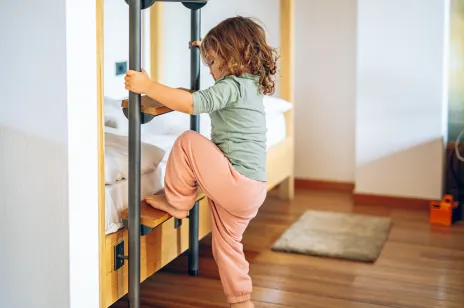
Children often treat bunk beds like play structures, which increases the likelihood of slipping, jumping, or losing balance. In some cases, poorly designed or assembled beds can also contribute to accidents.
Another concern is entrapment. Gaps in guardrails or between the mattress and frame can pose a risk, especially for smaller children.
Common Bunk Bed Injuries
Bunk bed injuries are more common than many parents expect. Emergency room data shows that thousands of children are treated each year for bunk bed-related accidents.
Most injuries involve falls from the top bunk. These can lead to broken bones, head injuries, or cuts. In more serious cases, children may suffer concussions or internal injuries.
Younger children are at the highest risk, particularly those under the age of six.
What Age Is Safe for Bunk Beds?
Most safety guidelines recommend that children under six should not sleep on the top bunk. At this age, coordination and awareness are still developing, which increases the risk of falling.
Older children can use bunk beds more safely, but supervision and proper safety features are still important.
Key Safety Features to Look For
A safe bunk bed should include sturdy guardrails on both sides of the top bunk. The ladder should be secure and easy to climb. The mattress should fit properly without leaving gaps.
It is also important that the bed meets recognized safety standards and is assembled correctly.
How to Reduce the Risk of Injury
Reducing risk starts with how the bunk bed is used. Children should be taught not to jump or play on the top bunk. The bed should be placed away from ceiling fans or windows.
Night lights can help children safely climb down in the dark. Regular checks can ensure that bolts and frames remain secure over time.
Supervision is especially important for younger children, even if they are not sleeping on the top bunk.
When Bunk Bed Injuries Become Serious
While many bunk bed accidents result in minor injuries, some cases are more serious. Falls from height can lead to head trauma or long-term complications.
In certain situations, the cause of the accident may go beyond normal use. Defective design, poor manufacturing, or lack of proper warnings can all increase the risk of injury.
Can You Take Legal Action After a Bunk Bed Injury?
If a child is seriously injured due to a defective bunk bed or unsafe product design, legal action may be possible.
Manufacturers and retailers have a responsibility to ensure that products meet safety standards. If a bunk bed fails due to poor design or construction, families may be entitled to compensation for medical costs and related damages.
Understanding the cause of the accident is key in determining whether a legal claim is valid.
Frequently Asked Questions
Are bunk beds safe for toddlers?
Bunk beds are not recommended for toddlers. Children under six are at higher risk of falling and should not use the top bunk.
How common are bunk bed injuries?
Bunk bed injuries are relatively common, with thousands of children treated each year for falls and related accidents.
What is the biggest risk with bunk beds?
The most significant risk is falling from the top bunk, which can lead to head injuries or broken bones.
Can bunk beds collapse?
While rare, bunk beds can collapse if they are poorly made or assembled incorrectly. This can increase the risk of serious injury.
When should I be concerned about a bunk bed injury?
You should seek medical attention if a child hits their head, loses consciousness, or shows signs of severe pain or confusion after a fall.
Conclusion
Bunk beds are not inherently dangerous, but they do carry a higher risk of injury compared to standard beds. Most accidents can be prevented with proper safety measures, supervision, and age-appropriate use.
Understanding these risks allows parents to make informed decisions and create a safer sleeping environment for their children.
If your child has suffered an injury in a bunk bed accident, you may be entitled to compensation for the injuries sustained. Contact Child Injury Firm at 877-875-2927 for experienced legal guidance in protecting your child’s rights and pursuing your claim. https://www.killinofirm.com/contact