


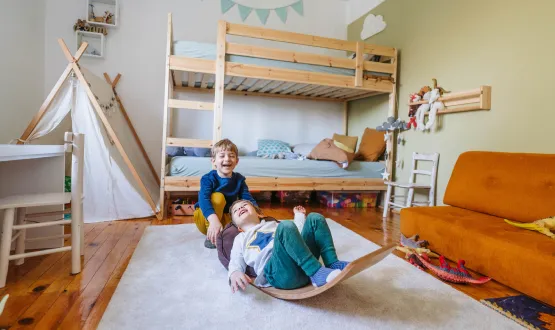

True structural collapses, where the frame itself gives way, are relatively rare compared with the much larger category of bunk bed injuries, most of which involve falls from the top bunk. Even so, the Consumer Product Safety Commission has documented a consistent pattern of collapse and entrapment incidents over the years, and recalls tied to structural failures still happen long after federal safety standards for bunk beds took effect in 2000.
The uncomfortable truth is that meeting the minimum federal standard does not guarantee that a specific bed is free of defects. Welds fail, hardware loosens, and manufacturing problems slip through quality control. That is why collapse related recalls keep appearing, even on beds that were compliant when they left the factory.
For a well built bunk bed that is assembled correctly and used within its weight limits, the chance of a full collapse is low. The risk climbs when problems stack up. Older metal frames can suffer weld separation and rust at the joints. A bed assembled with missing, mismatched or loose hardware is far more likely to fail under normal use. Exceeding the weight rating, even briefly, stresses the frame. Secondhand beds are another weak point, because replacement bolts from a different manufacturer may not carry the load the original frame was designed for. And some collapses trace back to a documented defect that was the subject of a recall the family never heard about.
Because these factors compound, the real world odds vary a great deal from one home to the next. A well maintained bed from a reputable brand carries a very different risk than a decades old frame with unknown hardware.
Yes, although fatal collapses are uncommon. A bunk bed can kill through head and neck trauma, a spinal injury, or suffocation when a child becomes trapped in the bed. The CPSC received reports of 89 bunk bed related deaths of children under 15 between January 1990 and October 1998, the reporting period that pushed the agency toward a mandatory standard. Children under six face the highest risk of death from head entrapment and collapsing mattresses, which is why the CPSC recommends that they never sleep in a top bunk.
One widely reported case involved a child who became trapped between a metal futon bunk bed’s frame and its ladder while repositioning during the night. He died from compression asphyxiation, and the bed was later recalled. Cases like this show why entrapment gaps, and not only outright frame failure, are among the most serious hidden risks in certain bunk bed designs.

No single official figure answers this, because deaths are rare and reported through several channels. What researchers can measure is injuries. A study from the Center for Injury Research and Policy at Nationwide Children’s Hospital found nearly 36,000 bunk bed injuries a year treated in U.S. emergency departments between 1990 and 2005, about three out of four of them caused by falls. The researchers said fatalities appeared very rare in that data, and deaths from entrapment fell after guardrail rules and awareness campaigns took hold in the mid 1990s.
The gap between injuries and deaths matters. Most children hurt on bunk beds fall from an intact bed, which is why safety guidance keeps young children off the top bunk. Structural collapse is a distinct hazard that can cause catastrophic harm, and recalls for collapse and entrapment hazards continue to be issued.
The consequences depend on how the bed fails and where the child is at the time. In the Nationwide Children’s study, about half of the injured children had injuries to the head, neck or face. Falling frame parts and drops from the top bunk can also cause spinal injuries, and a guardrail that gives way can turn an ordinary fall into a much more serious one. Compression asphyxia happens when a child is wedged between parts of the bed, such as the mattress frame and the ladder, and cannot breathe. Severe head trauma can lead to lifelong needs, which is why families often need to understand their options for child brain injury or paralysis claims.
Yes, and recalls remain one of the clearest signals that a specific model poses a genuine hazard. In November 2020, Zinus Inc. recalled roughly 26,000 metal bunk beds after discovering that welds on the frame were prone to separating, a defect that could cause the whole structure to give way with a child on top. If you own a metal framed bunk bed, or you are considering a secondhand one, search the CPSC recall database by brand and model number before assuming the bed is safe. Recalls are not always publicized after the first announcement, so a bed from an old recall can still turn up for sale. Our page on recalled baby products explains how recall based claims work.

For everyday questions about age limits, guardrails, mattress fit, ladders and room layout, see our bunk-bed safety guide. This collapse article focuses on structural failure, entrapment, recall evidence and the legal questions after an injury. A safety checklist cannot establish whether a particular bed had a manufacturing or design defect; that requires examination of the product and incident evidence.
Yes. Structural failures can cause fatal head trauma, spinal injuries or suffocation when a child becomes trapped.
Overall injury totals do not establish an annual collapse-death rate. Historical research estimated nearly 36,000 nonfatal bunk-bed injuries annually during 1990–2005, mostly involving falls; that figure is not a current collapse count.
Yes. Standards set a baseline and do not eliminate defects or wear related failures.
Stop using it, follow the recall instructions from the manufacturer and CPSC, and report any incident at SaferProducts.gov.

If your child suffered a serious injury, or your family lost a child in a bunk bed collapse, you do not have to handle this alone. Our firm investigates defective bunk bed claims nationwide and fights for the compensation families deserve. Contact us today for a free, confidential consultation.
Text With Us
We'll text you!
"*" indicates required fields
By submitting, you agree to be contacted about your request & other information using automated technology. Message frequency varies. Msg & data rates may apply. Text STOP to cancel. Privacy Policy
Call Me
We'll call you!
"*" indicates required fields
By submitting, you agree to be contacted about your request & other information using automated technology. Message frequency varies. Msg & data rates may apply. Text STOP to cancel. Privacy Policy
Book A Consultation
We're ready to answer your questions!
Email Us
We're available by email!
"*" indicates required fields
By submitting, you agree to be contacted about your request & other information using automated technology. Message frequency varies. Msg & data rates may apply. Text STOP to cancel. Privacy Policy
Text With Us
We'll text you!
"*" indicates required fields
By submitting, you agree to be contacted about your request & other information using automated technology. Message frequency varies. Msg & data rates may apply. Text STOP to cancel. Privacy Policy
Call Me
We'll call you!
"*" indicates required fields
By submitting, you agree to be contacted about your request & other information using automated technology. Message frequency varies. Msg & data rates may apply. Text STOP to cancel. Privacy Policy