



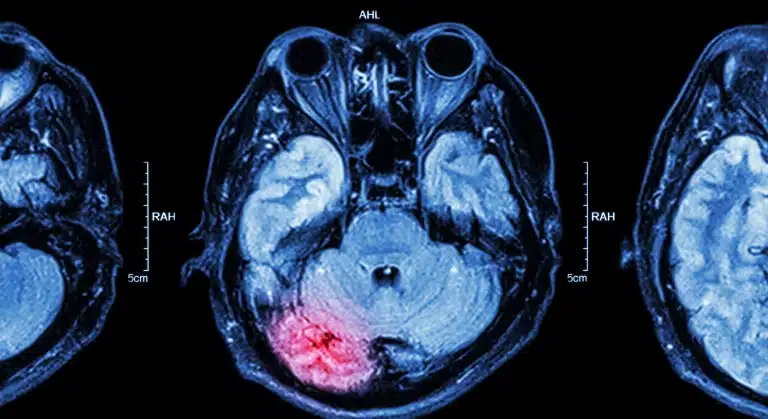
The deadline to file a lawsuit for a child’s brain injury depends on the state, the child’s age, how the injury happened, who may be responsible, and the type of legal claim involved. Some states extend or “toll” certain limitation periods while an injured person is a minor. But parents should not assume that every claim can wait until the child turns 18.
Different rules may apply when the case involves medical malpractice or a government entity. Wrongful death claims and claims belonging separately to a parent may also follow different timelines. In some situations, a formal notice must be submitted before a lawsuit can even be filed.
The safest approach is to determine the applicable deadline based on the specific facts and jurisdiction rather than relying on a general rule found online.
What is a statute of limitations?
A statute of limitations establishes a period within which a legal action generally must be filed. If the applicable deadline passes, a court may prevent the claim from proceeding regardless of how serious the injury is.
The filing period also depends on the type of claim being brought. For that reason, searching only for a state’s general personal-injury deadline may not provide the correct answer.
Does my child’s age extend the filing deadline?
Sometimes, but not always. Many jurisdictions have laws that suspend or modify certain limitation periods because a child cannot independently pursue a lawsuit in the same way an adult can. This is commonly referred to as minority tolling.
To toll a statute of limitations generally means to pause the running of the period under a legally recognized circumstance. The rules, however, are not uniform from one state to another. Some states limit how minority tolling works, while others apply separate rules to particular types of claims. Medical malpractice is one area where special provisions may apply.
Parents therefore should not assume that minors always have until age 18 to bring a claim. There is no single nationwide rule that applies in every situation.

Why might a child’s claim have a different deadline from a parent’s claim?
A serious childhood injury can potentially create more than one type of legal claim. The child’s claim generally addresses the child’s injuries and resulting damages. Depending on state law, a parent may have separate rights involving certain expenses or losses arising from the same event.
Because those claims are not necessarily governed by the same legal rules, their deadlines may differ. An attorney evaluating the case should therefore identify each potential claim separately rather than focusing only on the child’s principal injury claim.
Medical malpractice deadlines
Medical malpractice statutes frequently contain their own filing rules, and some states apply special provisions when the injured patient is a minor.
Those rules can differ significantly from the deadlines that apply to an ordinary personal injury case. Early review is especially important when the brain injury may have resulted from delayed diagnosis, a treatment error, or a failure to monitor the child properly. Other potential issues may involve surgery, medication, oxygen deprivation, or another form of professional medical negligence.
Special filing rules may apply to brain injuries involving pediatric medical negligence, making it important to determine the applicable deadline early.
Special deadlines for public schools or government agencies
Claims involving public schools, municipalities, transportation authorities, public hospitals, or other governmental entities may involve statutory procedures that differ from ordinary claims against private individuals or businesses. State tort claims acts can define when government entities may be sued and the limits on those claims.
Depending on the jurisdiction, a family may need to submit a formal notice before filing suit. That notice requirement can have its own deadline, sometimes separate from the deadline for the lawsuit itself.
A family’s deadline analysis should begin by determining who the potential defendant actually is.

What if we did not realize immediately that our child had a traumatic brain injury (TBI)?
Delayed symptoms can complicate both the medical and legal timeline. The CDC notes that some signs and symptoms of concussion may appear or become noticeable hours or days after an injury. Longer-term developmental consequences of pediatric TBI may also become clearer only as the child grows and faces more demanding cognitive or academic tasks.
The law may account for delayed discovery in some types of cases, but those rules vary considerably. The point at which a claim is considered to have accrued can depend on both the jurisdiction and the underlying facts. For this reason, parents should avoid assuming that delayed discovery automatically extends a filing deadline.
Why speak with a lawyer before the statute of limitations expires
The filing deadline is only one reason to act. Evidence often disappears much sooner. Over time:
- Surveillance footage may be erased.
- Vehicles or equipment may be repaired.
- Dangerous property conditions may be changed.
- Products may be discarded.
- Employees may leave their jobs.
- Witnesses may become difficult to locate.
- Memories may fade.
- Electronic data may be deleted.
Ultimately, waiting can make a legally timely case harder to prove. Acting early can help with preserving evidence before it disappears.
Information a lawyer needs to determine the deadline
Parents should be prepared to provide as much information as possible about:
- The date of the accident or suspected negligence
- The child’s age
- Where the injury occurred
- Who was involved
- When symptoms began
- When the brain injury was diagnosed
- The medical providers involved
- Whether a school or government organization was involved
- Whether a defective product may have contributed
- Any notices or correspondence already received
Small factual differences can affect which rule applies.

Should I wait until we know the full extent of the injury?
Not before determining the filing deadline.
Understanding a child’s long-term medical prognosis can take time, but that does not necessarily stop legal deadlines from running. A family can investigate its legal options while the child’s doctors continue evaluating recovery and future needs. Determining the deadline does not require waiting until every long-term consequence of the injury is known.
Confirm the deadline that applies to your child’s case
There is no single nationwide deadline for filing a child brain injury lawsuit. The applicable statute of limitations can depend on the state, the child’s age, the type of claim, the defendant involved, and whether special rules apply to medical malpractice, government entities, or other circumstances.
A child brain injury lawyer can review the facts, identify the applicable filing and notice deadlines, and help preserve your family’s legal options. They can also help preserve evidence and determine whether different parties or claims are governed by different timelines.
The Killino Firm can evaluate your child’s case and explain which deadlines may apply. Get your free, confidential case evaluation. Call 24/7 at 878-888-7878 or contact us online.
No upfront fees; client pays no legal fees unless a recovery is achieved.
The information provided on this site is not formal legal advice. Prior results do not guarantee a similar outcome. Confidential consultation is required.