


A parent or legal guardian may be able to pursue a lawsuit on behalf of a child when another person’s or organization’s negligence caused that child’s brain injury.
However, a serious injury by itself does not establish negligence. A successful claim generally requires evidence showing that someone had a legal responsibility to act with reasonable care, failed to do so, and caused the child’s injury as a result.
Because liability rules differ by state and by the type of accident involved, the specific facts must be evaluated individually.
What must be proven in a child brain injury lawsuit?
Negligence cases generally involve four central questions:
Did someone owe the child a duty of care?
A duty of care is a legal obligation to act with an appropriate level of care under the circumstances. Drivers, for example, have responsibilities toward other road users. Schools and daycares are expected to take reasonable steps to protect children under their supervision. Healthcare professionals must provide care that meets the applicable professional standard.
Was that duty breached?
The next question is whether the person or organization failed to act with reasonable care. Common examples include a driver running a red light, a daycare worker leaving children unattended near a swimming pool, or a nurse administering the wrong medication dosage to a patient.
Did that failure cause the brain injury?
This is often one of the most contested parts of a brain injury case. It is not enough to show that someone acted negligently. The evidence must also connect that negligence to the child’s injury.
LawShelf describes duty, breach, causation, and damages as fundamental elements of a negligence claim.
Did the child suffer compensable harm?
A claim must involve actual harm. In a pediatric brain injury case, that harm may extend far beyond the initial emergency room bill. A significant brain injury can potentially affect cognition, communication, behavior, emotions, education, physical abilities, and future independence.

Types of accidents that can lead to a child brain injury claim
A negligence claim can arise in many different settings:
Motor vehicle accidents
A negligent driver may be responsible when a collision causes a child’s traumatic brain injury. Other parties may also share responsibility, including an employer whose employee caused the crash or a manufacturer when a defective vehicle component contributed to the injury.
Learn more about claims involving brain injuries caused by negligent drivers and serious child accidents.
School or daycare injuries
Schools, daycares, camps, and other organizations responsible for supervising children may face liability when inadequate supervision, unsafe conditions, or negligence contribute to a foreseeable injury.
Claims involving public schools can involve additional legal rules because governmental entities may receive special statutory protections or notice procedures.
Playground and sports injuries
Not every playground fall or sports injury is caused by negligence. A potential claim may arise, however, when factors such as defective equipment, unsafe playing surfaces, improper supervision, inadequate safety precautions, or unsafe return-to-play decisions contribute to a brain injury.
Dangerous properties and swimming pools
Children may suffer traumatic or oxygen-deprivation brain injuries following falls, drowning events, or other incidents on unsafe property. Liability may depend on who owned or controlled the property and what safety responsibilities applied.
Read more details about unsafe swimming pool conditions that injure children and brain damage caused by drowning or near-drowning.
Defective products
A defective car seat, bicycle helmet, playground product, toy, or other children’s product may create a product-liability issue rather than — or in addition to — a conventional negligence claim.
Medical negligence
Brain injuries can also result from preventable medical errors involving diagnosis, treatment, surgery, medication, oxygen deprivation, or other aspects of pediatric care.
Medical malpractice claims typically involve specialized standards and procedural requirements. These cases may require an evaluation of pediatric medical negligence.

Can more than one person be responsible?
Yes. A child’s brain injury can result from multiple failures.
For example, a crash might involve a negligent driver and a defective restraint system. A playground injury might involve improper supervision as well as defective equipment. A sports injury might involve failures by both personnel and an organization.
Identifying every potentially responsible party matters because each party may possess different evidence and may have a different role in causing the injury. We have a separate guide that examines who may be legally responsible for a child’s brain injury.
What compensation may be available?
The damages available depend on the jurisdiction and circumstances of the case. Potential categories of personal injury damages can include compensation associated with:
- Emergency treatment and hospitalization
- Future medical care
- Rehabilitation
- Physical, occupational, or speech therapy
- Neuropsychological treatment
- Medications
- Adaptive equipment
- Home modifications
- Educational support
- Long-term personal assistance
- Future loss of earning capacity
- Pain, disability, and reduced quality of life where recoverable
Reviewing the factors that may affect the value of a child brain injury claim can help families account for both current expenses and anticipated future needs.
What evidence is needed?
The evidence depends on the accident. Medical records are usually central because they help document the diagnosis, treatment, and effects of the injury. Other evidence may show how the accident occurred or whether reasonable safety measures were followed. These include imaging, photographs, surveillance footage, incident reports, witness testimony, safety policies, maintenance records, electronic data, school records, and expert analysis.
Medical evidence is particularly important because the legal claim must connect the accident or negligent conduct to the brain injury. See What Evidence Is Needed to Prove a Child Brain Injury Lawsuit? for a full checklist.

How soon should parents investigate a potential claim?
Prompt investigation can be critical to preserving evidence and identifying potential sources of information. Even when the law gives a child substantial time to pursue a claim, physical evidence can disappear much sooner. For instance, surveillance footage may be overwritten, equipment may be repaired or discarded, employees may leave, and witnesses may forget critical details.
Some claims also involve special filing or notice requirements. For that reason, parents should not assume that their child’s age automatically means there is no urgency. They should also understand the deadlines for filing a child brain injury lawsuit.
Find out whether your child may have a brain injury claim
Whether a child’s brain injury supports a legal claim depends on how the injury happened, who may have been responsible, and whether the available evidence can establish negligence and causation.
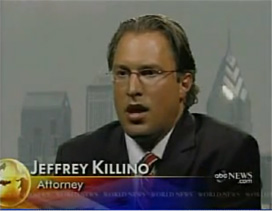
A child brain injury lawyer can investigate the circumstances, identify potentially responsible parties, preserve evidence, and evaluate both the immediate and long-term consequences of the injury. The Killino Firm represents children and families in serious injury cases and can help you understand whether there may be grounds to pursue compensation.
Get your free, confidential case evaluation. Call 24/7 at 878-788-7718 or contact us online.
No upfront fees; client pays no legal fees unless a recovery is achieved.
The information provided on this site is not formal legal advice. Prior results do not guarantee a similar outcome. Confidential consultation is required.