


NATIONALLY RECOGNIZED

School Injury Lawyers

Child Trust Fund

Hundreds of Millions of Dollars Have Been Recovered for Injured Babies and Children

Fill out and submit the form below for a confidential doctor/lawyer review:

"*" indicates required fields

Step 1 of 2

MM slash DD slash YYYY
Select all that apply:*

How Do I Find the Best School Injury Lawyer Near Me?: A Comprehensive Guide to School Injury and Accident Liability

When we drop our children off at school, we are entrusting their physical safety to an institution that stands in loco parentis—in the place of the parent. For decades, our team of lawyers at The Child and Birth Injury Firm has seen the devastating fallout when that trust is broken, with many children suffering injuries at school each year. Proving actual injury—documented physical or emotional harm—is necessary to establish liability in these cases.

School injuries are not always “accidents.” Often, they are the result of systemic supervision failures, ignored maintenance, or defective equipment. Public schools are considered government entities, which often affects how claims for student injuries are handled and the legal process involved. This guide provides the data-driven insights families need to navigate the legal complexities of school-related injuries, including injury statistics from the Consumer Product Safety Commission.

Introduction to School Liability

School liability is a fundamental concern for every educational institution, from elementary schools to high schools. When parents send their children to school, they trust that the school district and its employees will protect students from foreseeable harm while on school grounds or participating in any school-related activity, including school-sponsored events. This legal duty extends to providing adequate supervision, maintaining safe facilities, and ensuring that all school employees are trained to respond appropriately in emergencies. When schools fail to uphold these responsibilities, the consequences can be severe—ranging from preventable accidents to life-altering injuries. School negligence cases often arise from failures in supervision, maintenance, or safety protocols, and may result in legal liability for the school district. In such cases, the school district may be held liable for negligent supervision or other failures, underscoring the importance of proactive safety measures and a clear understanding of school liability. By recognizing their legal obligations, educational institutions can better protect students and reduce the risk of serious injuries on their watch.

Key Takeaways: School Accident Liability

  • Supervision is the Standard: Many school injuries are legally rooted in “negligent supervision,” and families may need to file a negligent supervision claim or even a negligent supervision lawsuit depending on the circumstances of the injury.
  • Public vs. Private: Suing a public school requires navigating “Sovereign Immunity,” which often has much shorter notice deadlines than claims against private schools. Private schools are not government entities and often have different legal procedures, including possible contractual or arbitration clauses that can affect student injury claims.
  • The 3:00 PM Danger Zone: A significant percentage of school-site injuries occur during the transition to after-school activities.
  • Defective Gear: Playgrounds and gym equipment are leading sources of “product liability” claims within school settings.
  • Immediate Notice: Some jurisdictions may require a “Notice of Claim” within 60 to 90 days of the injury.

What Should Families Do After a Serious School Accident?

The moments following a school injury are chaotic. From a legal perspective, the actions taken in the first 48 hours often determine the outcome of a future claim. Documenting exactly how the child suffered and the specific nature of the injury is essential for establishing liability and supporting a case. The legal team at The Child and Birth Injury Firm observes that successful claims prioritize documented evidence over verbal assurances from school administrators. 

    1. Seek Independent Medical Care: Even if the school nurse says the child is “fine,” internal injuries or concussions may not be immediately apparent. Obtaining a record from the best pediatric ER near me establishes a neutral medical timeline.
    2. Request the Incident Report: Schools are required to document injuries. Secure a copy immediately before the narrative is “sanitized” by the district’s legal team.
    3. Identify Witnesses: In cases of bullying or playground falls, fellow students and other children often see what happened before teachers do.
    4. Preserve Physical Evidence: If a defective swing set or a sharp locker edge caused the injury, photos of the defect are important.

Where and How Do Most School Accidents Happen?

To understand liability, we have to look at where the breakdowns occur. While classrooms are generally safe, certain high-activity zones account for the vast majority of serious injuries. Many injuries happen during school-related activities and throughout children’s waking hours, when they are most vulnerable to environmental hazards and lapses in supervision.

1. The Playground: The Hub of Fractures and TBIs

According to the Centers for Disease Control and Prevention (CDC), more than 200,000 children ages 14 and younger are treated in emergency departments for playground-related injuries annually.

  • The Hidden Stat: Roughly 45% of playground injuries are severe, involving fractures, internal injuries, or concussions.
  • Negligence Factor: Was the “impact surface” (mulch, rubber, or sand) maintained to the proper depth? If the surface has hardened, the school may be liable for the resulting injury.

2. The Gymnasium and Organized Sports: Negligent Supervision Risks

Sports-related injuries are common, but there is a line between “inherent risk” and negligence.

  • Heat Illness: We are available to evaluate potential cases involving a coach’s failure to provide students with adequate hydration or rest breaks. 
  • Concussion Protocol: According to the American Academy of Pediatrics, failure to follow “Return to Play” laws is a leading cause of Second Impact Syndrome, a catastrophic brain injury.

3. School Bus Transportation

The danger isn’t just inside the bus; it’s in the “Danger Zone”—the 10-foot area surrounding the vehicle. The bus driver, like teachers and other school employees, is responsible for supervising students and ensuring their safety during transportation, and is held to the same reasonable standard of care.


How Do Defective Products Lead to School Injuries?

Not every injury is caused by a teacher’s lack of attention. Sometimes, the equipment itself is the culprit. Our team of lawyers at The Child and Birth Injury Firm investigates school accidents through the lens of product liability. Establishing proximate cause is essential in these cases to show that the defective product directly led to the child’s injury.

  • Defective Playground Equipment: We look for manufacturing defects in S-hooks, climbing nets, and slides that can catch clothing or cause strangulation.
  • Gym Equipment Failures: Collapsing bleachers or improperly anchored basketball hoops have caused catastrophic crush injuries.
  • Lab Chemicals: In high school science labs, improperly labeled or stored chemicals can lead to explosions or toxic exposure.

What is the Average Age and Demographic of School Accident Victims?

The age of the child significantly impacts how our team of lawyers at The Child and Birth Injury Firm approaches the case.

  • Elementary (Ages 5–10): These children are most likely to suffer injuries on playgrounds. Legally, they are considered less capable of recognizing “open and obvious” dangers, placing a higher burden of supervision on the school.
  • Middle School (Ages 11–13): This is the peak age for injuries related to school bus accidents and physical altercations or bullying.
  • High School (Ages 14–18): Injuries here are often sports-related or occur in vocational shops (auto shop, woodshop) involving power tools and heavy machinery.

Secondary schools, which include middle and high schools, often see a higher frequency of published negligence decisions due to their larger student bodies and riskier activities.

Stats: Data Very Few People Are Talking About

To truly understand the risks, we must look at regional data that often flies under the radar of national news. Injuries can also occur during school-sponsored camps, where camp counselors have a duty to supervise children and prevent harm. Additionally, some injuries result from intentional torts, such as bullying or assault, which require different legal considerations.

The “New” Threat: Toxic Exposure in Schools

In older metropolitan areas like Philadelphia and Chicago, the threat isn’t a fall; it’s the building itself.

  • Lead and Asbestos: According to a report from the EPA, over 50% of U.S. schools have not been tested for lead in drinking water recently.
  • The Impact: Chronic exposure leads to developmental delays that mimic birth injuries. While a birth injury like HIE results from oxygen deprivation, lead neurotoxicity attacks the same developing pathways in the brain. The symptoms are tragically identical:
  • Cognitive Deficits: Lowered IQ and memory loss similar to neonatal brain trauma.
  • Motor Impairment: Coordination issues that mirror the early signs of Cerebral Palsy.
  • Behavioral Shifts: Impulsivity and aggression often mistaken for birth-related frontal lobe damage.

Our team of lawyers at The Child and Birth Injury Firm bridges the gap between environmental toxins and childhood disability.

Florida: The Heat Strike Zone

  • Stat: Florida leads the nation in student-athlete heat-related illnesses. The Korey Stringer Institute notes that high schools often lack the “best” cold-water immersion tubs near me, which are the only way to prevent death during a heat stroke event.

California: Playground Temperature Risks

  • Stat: In modern “rubberized” playgrounds, surface temperatures can exceed 160°F. Our team of lawyers at The Child and Birth Injury Firm can handle cases of second-degree burns sustained simply by a child falling on the “safety” surface.


Understanding Negligence Claims

Negligence claims against schools often arise when a student’s injury occurs due to inadequate supervision, unsafe school property, or a failure to protect students from foreseeable harm. To succeed in a negligence claim, it must be shown that the school owed a duty of care to the student, breached that duty—such as through negligent supervision or poor maintenance—and that this breach directly caused the student’s personal injury. For example, if a school employee fails to provide adequate supervision during school hours and a child is injured as a result, the school may be found liable in a school negligence case. When a child fails to receive proper supervision and is harmed as a result, this can potentially form the basis for a negligence claim against the school. School officials have a responsibility to provide a safe environment, which includes regular training for school employees and vigilant oversight of students, especially in high-risk areas like playgrounds or during transitions between classes. Experienced school injury attorneys can help families navigate the complexities of negligence claims, ensuring that victims receive the compensation they deserve and that schools are held accountable for failing to provide adequate supervision or maintain safe school property.

Contributory Negligence and Liability

Contributory negligence comes into play when a student’s own actions contribute to their injury, potentially affecting the school’s liability. For instance, if a high school student disregards safety instructions during a school-sponsored activity and is injured, the school may argue that the student’s behavior played a role in the incident. However, even when contributory negligence is a factor, schools still have a legal duty to protect students and provide a safe environment. If inadequate supervision or other failures by the school contributed to the injury, the school can still potentially be held liable for damages. Policies and procedures that ensure students are properly supervised at all times are essential to minimize risk. In cases where negligent supervision occurs, consulting with an experienced school injury attorney is important to determine the extent of the school’s liability and to protect the rights of the injured student. Schools must remain vigilant in their duty to protect students, regardless of whether contributory negligence is involved.

The Legal Challenge of School District Sovereign Immunity

If your child attends a public school, you are effectively suing the government.

  • Notice of Claim: Many states require you to file a formal notice with the school board within 60 to 180 days. If you miss this, you may lose your right to sue forever.
  • Damage Caps: Many states cap the amount a family can recover from a public entity, regardless of the severity of the injury.

This is why having our team of lawyers at The Child and Birth Injury Firm involved early is essential. We understand the administrative hurdles that differ between public districts and private academies.

Contact Our Team of Lawyers at The Child and Birth Injury Firm

If your child has suffered a life-changing injury, you need an advocate who understands that children are not just “small adults.” Their injuries require long-term life care planning and a deep understanding of pediatric medicine.

Whether you are looking for the best medical specialists near me or need to hold a school district accountable, our team of lawyers at The Child and Birth Injury Firm is ready to help. Contact us today for a free legal consultation regarding your school injury case, and receive a confidential, no-cost evaluation of your potential claim.

Frequently Asked Questions About School Injury Lawsuits

Yes, if it can be proven that the school had “prior notice” of the bullying and failed to take reasonable steps to prevent the specific assault that caused the injury.

Waivers generally do not protect a school from “gross negligence.” If a coach forced a child to play with a known head injury, the waiver is often unenforceable.  This varies by state.

The school’s duty of care extends to any off-site activity. If the venue (like a zoo or museum) was unsafe, we might be able to pursue a claim against both the school and the venue.

Schools have a legal duty to provide reasonable supervision and maintain a safe environment for students. If a fight went on for an extended period without staff intervention, this could support a claim of negligent supervision. However, liability depends on factors like your state’s laws, government immunity, and the specific circumstances of the incident — so consulting an attorney is strongly advised. 

Usually, no. You must pay through your insurance or out-of-pocket and seek reimbursement through a settlement or jury verdict. It is important to consult a school injury attorney to understand your options and protect your rights in school injury cases.

This refers to injuries caused by the building itself—slippery floors, loose handrails, or falling ceiling tiles supervision.

This falls under defective products. We sue the manufacturer of the furniture or equipment used in the classroom.

Due to the “Notice of Claim” requirements and government bureaucracy, these cases often take several years to resolve through a settlement or trial. Our experienced school injury attorney can help families navigate the lengthy process.

The school’s duty of care does not end at the 3:00 PM bell. If the program is school-sponsored or taking place on school grounds under the supervision of school employees, the district might remain responsible for student safety. Liability often hinges on whether the school provided the same “standard of care” during these extracurricular activities as they do during the regular school day.

While schools may argue that a student’s failure to follow rules (such as “no running in the halls”) constitutes contributory negligence, this may not automatically absolve the school of liability. Schools are expected to anticipate that children may not always follow instructions perfectly. If the injury was primarily caused by a lack of teacher oversight or a hazardous environment that allowed the rule-breaking to lead to an injury, a claim may still be viable.

Practice Areas

Testimonials

Child & Birth Injury Lawyers: Making a Difference When It Matters Most

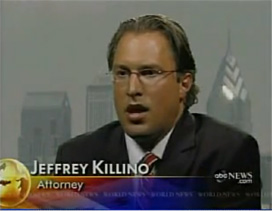
Catastrophic child and birth injuries can shatter the lives of not just the babies and children, but also their families. Families are left to navigate a complex maze of medical challenges, financial burdens, and emotional turmoil. But, this is where Jeffrey Killino and his team of dedicated lawyers can provide the support and guidance families need most.

Life-Changing Financial Security

For over 2 decades, Jeffrey Killino and his team have secured life-changing results for babies and children facing catastrophic injuries. Our clients gain access to the best medical care, financial security, and peace of mind, knowing their futures are protected.

Ongoing Client Support and Protection

Jeffrey Killino and his team of child and birth injury lawyers are committed to go beyond securing multi-million dollar settlements and verdicts. We measure our success by our positive impact on our clients’ lives. We’re dedicated to supporting them throughout their journey, even after their case is resolved.

Caring for Clients and the Community

Jeffrey Killino and his team of child and birth injury lawyers are committed to more than just securing multi-million dollar settlements and verdicts. We measure our success by our positive impact on our clients’ lives, helping them access the best medical care, achieve financial security, and find peace of mind. We also actively work to prevent injuries and promote safety for everyone.
abc-1-1.jpg

NO COST, NO OBLIGATION,
CONFIDENTIAL CONSULTATION.

Text With Us

We'll text you!

"*" indicates required fields

This field is for validation purposes and should be left unchanged.
Name*

By submitting, you agree to be contacted about your request & other information using automated technology. Message frequency varies. Msg & data rates may apply. Text STOP to cancel. Privacy Policy

Call Me

We'll call you!

"*" indicates required fields

This field is for validation purposes and should be left unchanged.
Name:*

By submitting, you agree to be contacted about your request & other information using automated technology. Message frequency varies. Msg & data rates may apply. Text STOP to cancel. Privacy Policy

Book A Consultation

We're ready to answer your questions!

Email Us

We're available by email!

"*" indicates required fields

This field is for validation purposes and should be left unchanged.
Name:*

By submitting, you agree to be contacted about your request & other information using automated technology. Message frequency varies. Msg & data rates may apply. Text STOP to cancel. Privacy Policy

Text With Us

We'll text you!

"*" indicates required fields

This field is for validation purposes and should be left unchanged.
Name*

By submitting, you agree to be contacted about your request & other information using automated technology. Message frequency varies. Msg & data rates may apply. Text STOP to cancel. Privacy Policy

Call Me

We'll call you!

"*" indicates required fields

This field is for validation purposes and should be left unchanged.
Name:*

By submitting, you agree to be contacted about your request & other information using automated technology. Message frequency varies. Msg & data rates may apply. Text STOP to cancel. Privacy Policy