



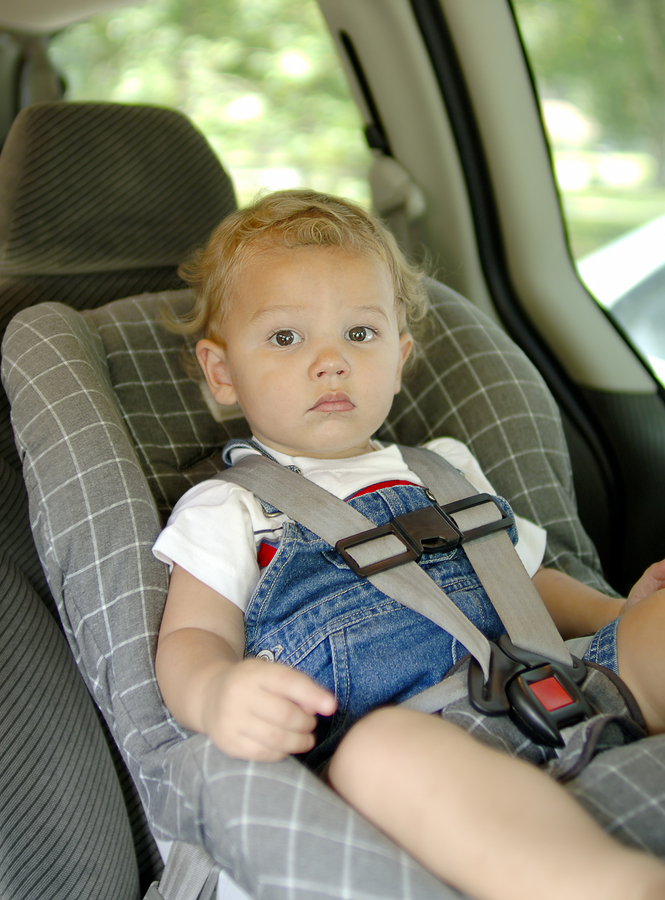
Never leave a child alone in a vehicle. Check every seat at the end of each trip, confirm childcare handoffs directly and keep parked vehicles locked with keys out of reach. If you see a child alone in a vehicle and potentially in danger, call 911 immediately and follow the dispatcher’s instructions.
What Should You Do If You See a Child Alone in a Vehicle?
Act immediately and call 911. Follow the emergency dispatcher’s instructions. Do not assume that another person has already called or that the caregiver will return before the situation becomes dangerous.
NHTSA’s heatstroke prevention campaign explains the danger and the need to act when a child is alone in a locked car.
Which Habits Help Prevent a Child From Being Left Behind?
Never leave a child alone in a vehicle. Make checking the back seat part of ending every trip, including familiar short trips. A change in routine is a reason to verify the handoff of care, rather than rely on an assumption about where the child is.
If more than one adult is involved in transportation or childcare, make the responsibility explicit. A reminder can support a routine, but it should not replace physically checking the vehicle.
How Can You Reduce the Risk Around Parked Vehicles?
Keep parked vehicles locked and the keys inaccessible to children. Make vehicle access part of the discussion with anyone supervising your child. A parked car should not become a place for children to play or wait alone.
What Should Childcare Transport Arrangements Make Clear?
Parents can ask how attendance, arrival and the transfer of responsibility are confirmed. Knowing who checks that every child has left a vehicle can help families understand the routine and identify an unanswered question before an incident.
This is a practical safety question, not a claim that every provider has the same legal procedure. Applicable duties depend on the setting and law.
Can a Child Be in Danger When the Weather Does Not Feel Very Hot?
A parked vehicle can become dangerous even when the outside air does not feel extreme. Sun exposure and trapped heat can create conditions very different from those outside the vehicle. Shade, an open window or the expectation of a short errand does not make leaving a child alone safe. The practical rule is consistent: take the child with you whenever you leave the vehicle.
Children cannot reliably recognize the danger, free themselves from restraints or get help. A sleeping child may also be easy to miss during a rushed arrival. Prevention needs to account for those ordinary circumstances rather than depend on a child calling out or an adult noticing symptoms from a distance.
How Can a Change in Routine Increase the Chance of a Missed Handoff?
A different driver, an unusual drop-off time or an interrupted journey can break a familiar sequence. Before the trip, confirm who is transporting the child and who will receive them. At arrival, verify the handoff directly. A text saying that someone planned to drop off the child is different from confirmation that the child arrived and entered another adult’s care.
Arrange for the childcare provider to contact the responsible adult promptly when a child does not arrive as expected. Families can also agree on a backup contact if the first person cannot be reached. The purpose is to notice a missing arrival immediately, rather than discover at the end of the day that each adult assumed the child was somewhere else.
Can Rear-Seat Reminders Replace Checking the Vehicle?
A reminder can add another prompt, but its operation and limitations depend on the specific vehicle or device. Some systems respond to a door being opened rather than directly detecting a child. Read the instructions and understand when an alert will or will not activate. A silent system should never be treated as confirmation that the rear seat is empty.
Build a physical check into every arrival: open the rear door, look across the seating area and confirm that every child is out. Use reminders to reinforce that action. A bag or other routine item can prompt an adult to check the back, but belongings must be positioned safely and never interfere with a restraint or the driver.
What Should Families Ask About Daycare Vans and Group Transport?
Ask how the provider reconciles the list of children who boarded with those who arrived. Find out who checks each seating position after unloading and how an unexpected absence is escalated. The answer should describe what staff actually do, including after a driver change, an interrupted route or a child falling asleep. Our school bus injury information addresses a separate set of transport-related concerns.
For an excursion or shared journey, confirm that the receiving adult knows how many children to expect and who is responsible for each one. Written procedures can help, but the key prevention step is confirming the actual whereabouts of every child. Do not assume that a vehicle is empty simply because the group has entered the building.
What Should You Do If a Child Is Missing Near a Parked Vehicle?
Check vehicles immediately as part of the search, including seating areas and other spaces a child may have entered. Call emergency services when a child may be trapped or in danger, and follow their instructions. Keep vehicles locked when not in use and keys out of reach so children cannot enter unnoticed. Tell other caregivers that these precautions apply even to a vehicle parked at home.
After an emergency, medical assessment and the child’s immediate safety take priority. Questions about responsibility can be investigated later using the actual records and circumstances. This prevention guide does not replace emergency instructions or the separate legal review after a serious injury.
How Can Families Make the Same Routine Work With Every Caregiver?
Agree on the routine with grandparents, babysitters and anyone else who transports the child. Describe the physical rear-seat check and the expected arrival confirmation explicitly. A caregiver who usually drives alone may not have the same automatic habits as someone who handles the school run every day.
Review the arrangement when schedules change, especially during holidays, illness or an unexpected pickup. If a planned handoff changes, tell both the driver and the receiving adult. The aim is to close the gap between what each person believes happened and where the child actually is. A brief direct confirmation is more dependable than an assumption based on the usual routine.
Where Can Families Find Information After an Injury or Death?
Obtain emergency and medical assistance first. When the immediate situation has been addressed, preserve available transportation, attendance and communication records. The causes and responsibility for an incident require investigation.
For legal representation, see our child hot-car death lawyer page. Keeping that service separate allows this guide to focus on prevention without repeating another page’s litigation and compensation content.